 Morris Nathanson
About
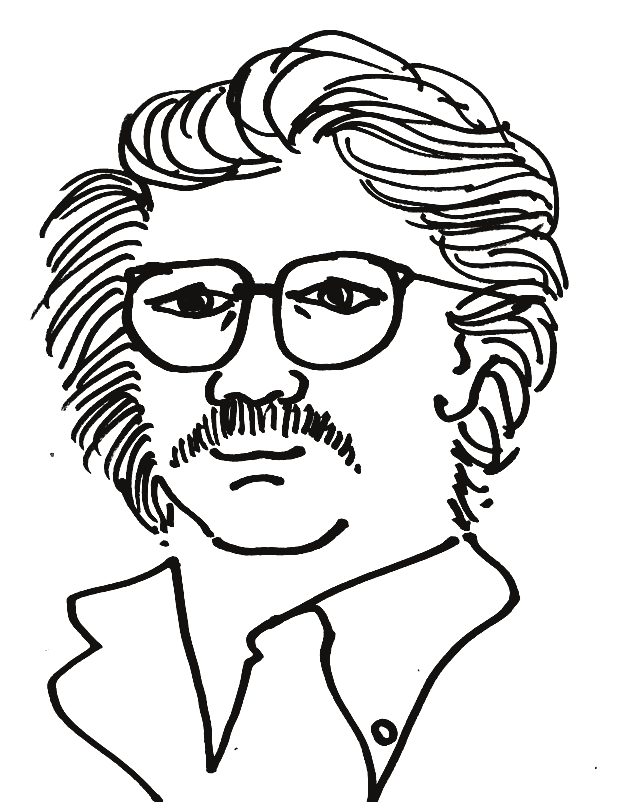
Morris Nathanson (1927–2022) lived the American century at close range. Born in the mill town of Pawtucket, Rhode Island, to a Jewish immigrant family, he grew up among rivers, smokestacks, and textile mills. He served in the U.S. Navy in the Pacific during World War II, returned home to study theater on the GI Bill, and later marched with Dr. Martin Luther King Jr. in Selma and Washington. He opened a successful gallery practice in New York before returning to Rhode Island to found Morris Nathanson Design, becoming one of the most influential figures in American restaurant and hospitality design and creating restaurants, hotels, and public spaces across the United States and abroad.
As the factories that had built his hometown fell silent, Morris watched Pawtucket enter a long industrial decline. Rather than leave, he began rebuilding from within. Inspired by the emergence of SoHo as an artists' district in New York, he purchased an abandoned textile mill and transformed it into Rhode Island's first live-work community for artists. The building became more than studios; it became an ecosystem unto itself, a place where painters, sculptors, designers, and makers lived beside one another, exchanged ideas, and helped sustain one another's work. Where others saw abandonment, Morris saw infrastructure waiting for a different economy.
A pioneering leader in Rhode Island's creative renaissance, Morris's influence extended far beyond his own studio. He was a founding member of Trinity Repertory Company, taught at the Rhode Island School of Design, and helped establish the Jacqueline M. Walsh School for the Visual and Performing Arts. Throughout his life, Morris believed that the arts were not a luxury added after a city succeeded; they were one of the forces that allowed a community to succeed in the first place.
For more than sixty years, Morris was a painter, printmaker, and sculptor. At the same time, he devoted equal energy to building the conditions that allowed other artists to thrive: studios, theaters, schools, gathering places, and creative communities. His artwork and his civic work were never separate pursuits. Both were acts of faith in renewal. He believed that places, like people, are never finished — that what remains can become the foundation for what comes next.